
Cities around the world are using new technology to make public spaces safer and more connected. Smart help point IoT (Internet of Things) systems are changing how people get help during emergencies by placing connected devices throughout urban areas that can detect problems and alert authorities instantly. In public safety IoT applications, these units act as reliable communication endpoints that send real‑time data to safety agencies and emergency services to improve public safety and reduce response time.
Basics of Smart Help Point in IoT Applications
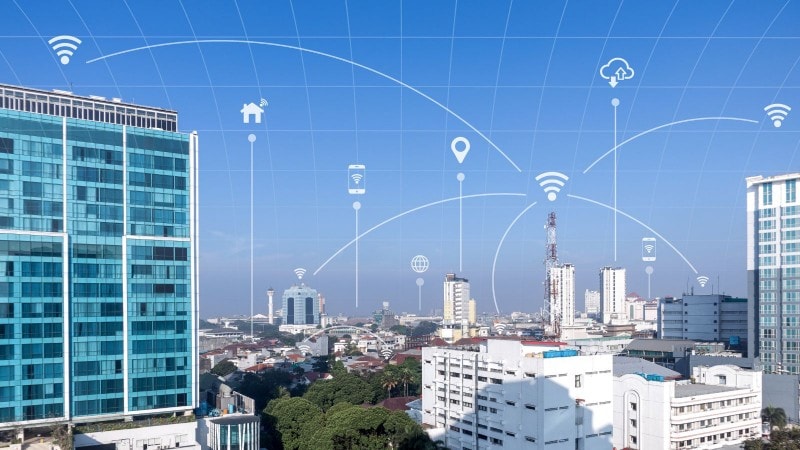
IoT Connectivity and Operation in Smart Cities
When equipped with IoT technologies, these smart help points automatically send alerts and status signals to control rooms, allowing operators and first responder teams to see exactly where an incident is happening and what kind of help is needed.
In this context, the Internet of Things (IoT) means that each help point is a connected device that can communicate over a network, share status and location, and be monitored or managed remotely in real time.
Hardware Features of Smart Help Points
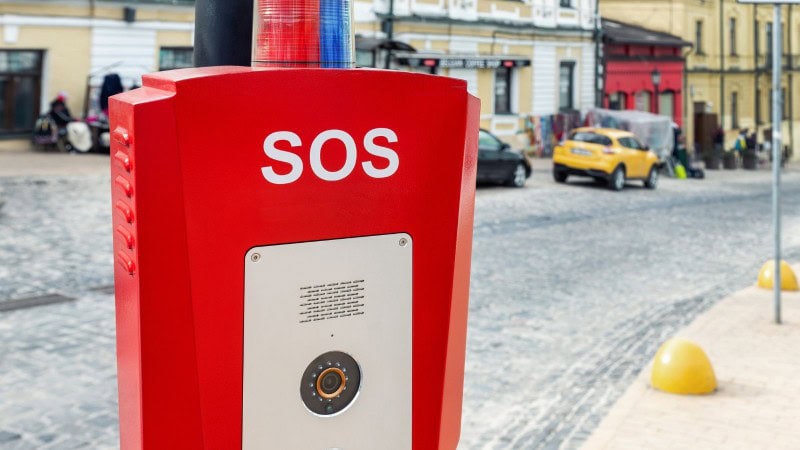
Smart help points function as networked emergency stations equipped with communication interfaces and IoT devices. Each unit typically includes a distress button for immediate emergency contact, two-way audio communication systems for direct interaction with operators, and video cameras that provide real-time visual data.
These help points operate on multiple power sources, including solar panels and battery backups, to maintain functionality during infrastructure failures.
The units connect through cellular networks, Wi‑Fi, or dedicated IoT applications and protocols to transmit alerts even when traditional communication systems fail.
Connectivity and IoT Devices Integration for Public Safety
To support modern public safety IoT and smart city projects, smart help points offer flexible connectivity and easy integration with existing communication and surveillance systems. This makes it easier for city operators and safety agencies to add new emergency devices without replacing their whole network.
Depending on the site, the same emergency unit can connect in different ways, such as:
-
Analog telephone lines for traditional voice systems.
-
VoIP/SIP over Ethernet for IP‑based dispatch centers.
-
Cellular networks for remote or hard‑to‑wire locations.
When used as IoT devices to collect basic status information and event logs, these help points can also interface with other field equipment, including:
-
Smart surveillance systems and CCTV.
-
Smart traffic or tunnel control systems.
-
Access control and gate or barrier equipment through relay outputs and digital inputs.
Remote monitoring is another key IoT solution that enhances public safety and disaster response operations. Each smart help point can report its online/offline status, power condition, enclosure tampering, or handset fault back to a central maintenance system in real time.
This kind of simple but effective IoT data collection reduces downtime, lowers maintenance costs, and ensures devices are ready when a natural disaster, accident, or other emergency requires fast access to emergency services and first responder support.
Reliability, Standards, and Compliance in Emergency Response
Because smart help points play a direct role in emergency response and public safety, reliability and compliance are just as important as advanced IoT technologies. The devices must continue working in various harsh conditions so people can reach help whenever they need it.
Key reliability features often include:
-
Rugged housings and vandal‑resistant design.
-
High IP ratings against dust and water.
-
Corrosion‑resistant materials for coastal or industrial environments.
-
Wide operating temperature ranges for outdoor and extreme locations.
-
Loud, clear audio so calls can be made in noisy factories, tunnels, or transport hubs.
By combining robust hardware, clear standards, and simple IoT applications such as remote status checks and event logging, these devices offer a practical IoT solution that supports emergency management and improves public safety without requiring complex analytics platforms.
Key Applications of Smart Help Point in Urban Environments
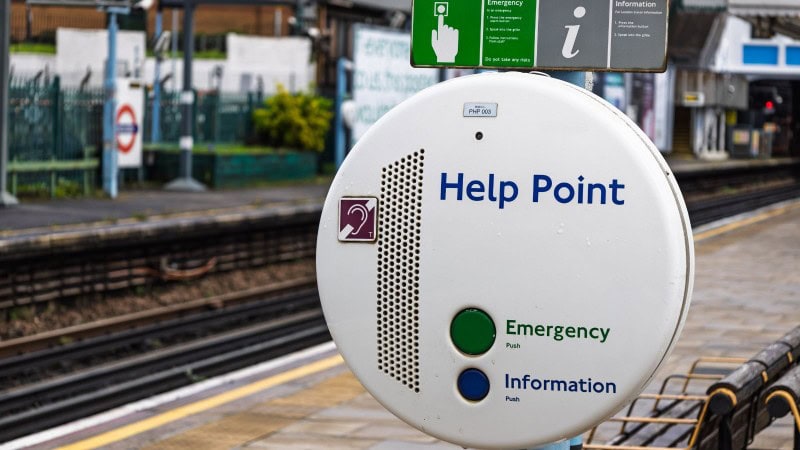
Smart Cities and Public Safety
Smart help points integrate into smart city infrastructure as physical stations connected to centralized monitoring systems through network cables, central servers, and cloud-based platforms that process device data in real time.
In a typical public safety IoT deployment, these endpoints act as visible contact points for citizens while functioning as IoT devices that collect basic operational information for safety agencies and city operators. The infrastructure supports urban safety through continuous monitoring of critical areas such as metro stations, bus stops, parking garages, industrial zones, and parks.
This data flows through simple sensor networks and communication links to command centers where operators can assess situations and dispatch appropriate resources. When someone presses an emergency button, the system can automatically open a voice channel, and discern the place of incidents with its database on help points’ locations.
In busy smart cities, this combination of clear audio communication and real time signaling helps emergency responders manage incidents, coordinate traffic around affected areas, and maintain safety and security for both residents and visitors.
Emergency Call and Reporting Systems
Emergency call systems built into smart help points or smart kiosks offer direct connections to police, fire, and medical services. The systems automatically transmit the help point’s exact location to dispatchers, which proves valuable when callers cannot describe their location or are unfamiliar with the area.
Video cameras can also be integrated into the panel of the help point, providing visual context and supporting surveillance systems that may already be installed around transport hubs or other critical sites.
Some installations include panic buttons that trigger silent alarms, alerting authorities without notifying potential threats. Others incorporate speakers that allow dispatchers to provide instructions or reassurance to people waiting for help, guiding them step‑by‑step until emergency responders arrive.
With IoT devices’ help features such as automatic alert transmission and event recording, these smart help points become practical IoT solutions for public safety, helping to improve public safety and shorten response time in everyday emergencies as well as larger disaster management scenarios.
IoT Devices for Public Safety in Smart Cities
Smart help points show how practical IoT devices can enhance public safety in smart cities. As more cities look for IoT solutions for applications in public safety and disaster management, robust, standards‑compliant emergency help points will continue to play a central role in Internet of Things deployments that protect citizens and support safer, more resilient urban environments.
Frequently Asked Questions (FAQ)
Are these emergency endpoints accessible to individuals with disabilities?
Yes, modern smart help points are designed with strict adherence to accessibility standards such as the Americans with Disabilities Act (ADA) in the US and similar international guidelines. They feature high-contrast coloring, braille instructions, and tactile buttons for the visually impaired. Additionally, they are often equipped with hearing loop (induction loop) technology that connects directly to hearing aids, and the physical buttons are mounted at specific heights to ensure they are easily reachable by individuals in wheelchairs.
What happens if the local cellular towers go down during a severe natural disaster?
While cellular and Wi-Fi connections are standard, some smart help points are also designed with multi-path redundancy. In areas prone to earthquakes or hurricanes, units can be connected to specialized first-responder networks. Combined with their independent solar and battery power supplies, this ensures the help point remains functional in complex and challenging environments.